

Carpet Beetles
Varied Carpet Beetle: Anthrenus verbasci / Black Carpet Beetle: Attagenus unicolor / Furniture Carpet Beetle: Anthrenus flavipes
Tiny beetles whose fuzzy larvae chew through wool, silk, and fur, and can leave you with a rash that looks like bites.
"Your pest problem
is our business"
is our business"
- RainCity Pest Control -
Pest Problem with Carpet Beetles?
Raincity can help!
Proudly Canadian
Pet Friendly

Carpet Beetles
Overview
Carpet beetle larvae quietly eat wool, silk, fur, and feathers, and their tiny hairs can cause an itchy rash that's often mistaken for bed bug bites. The beetles you see on the windowsill are usually the first clue.
The Beetles on Your Windowsill Are the Warning Sign
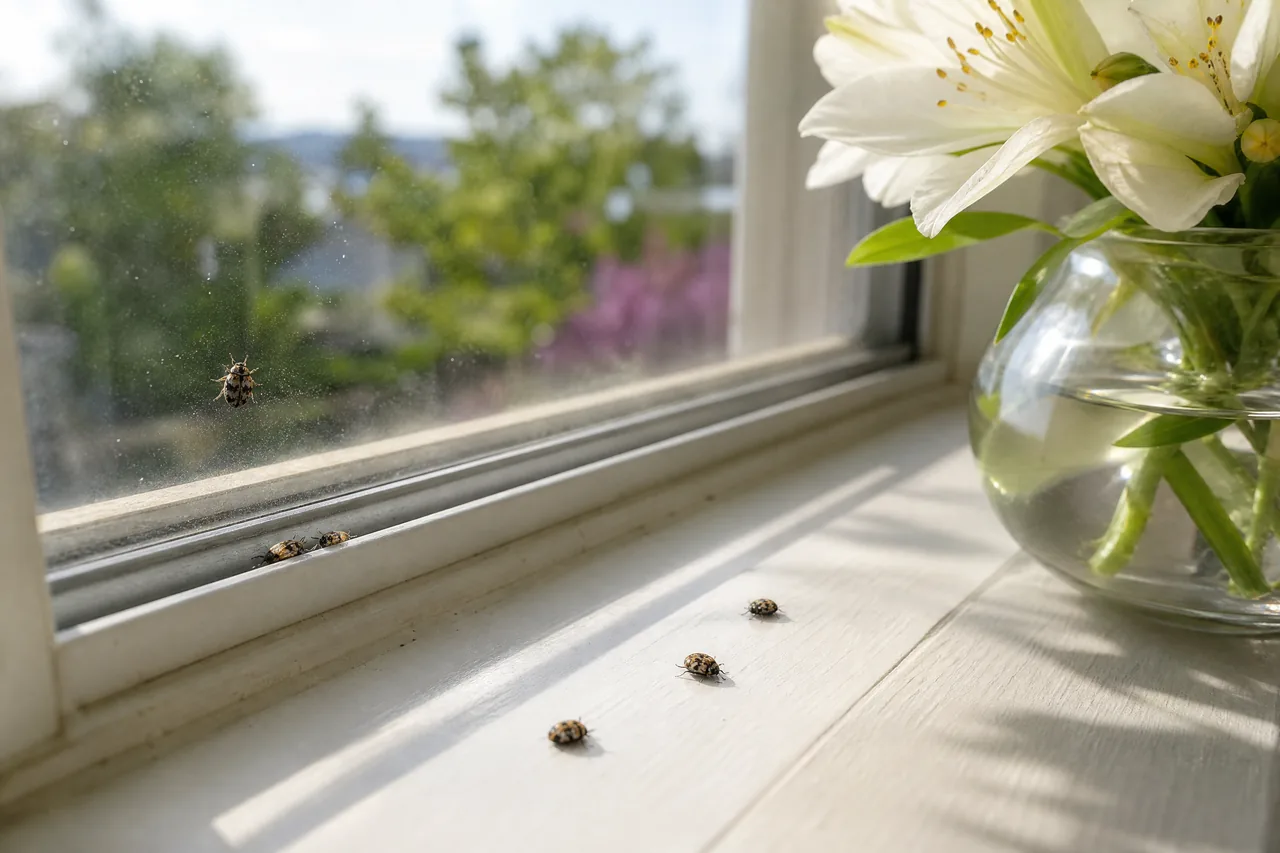
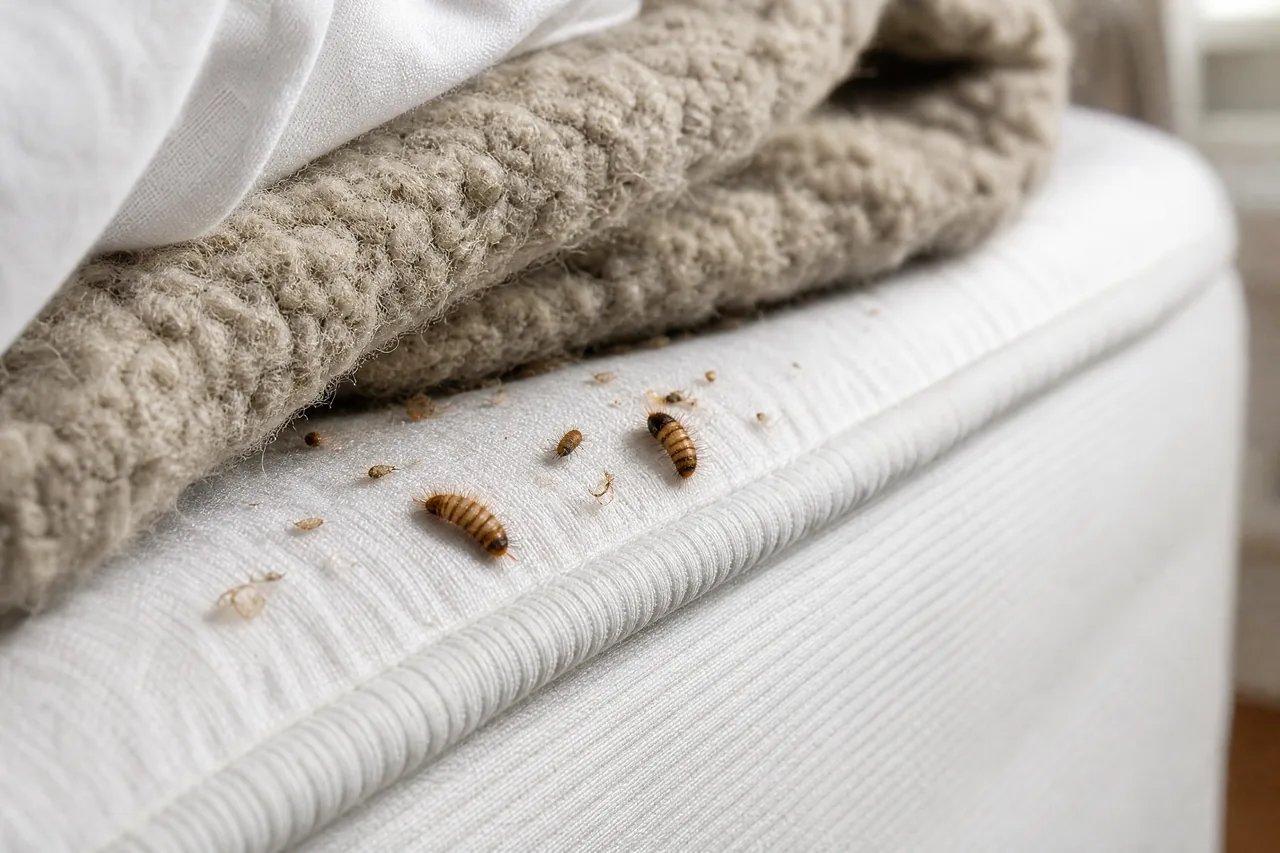
Most people first notice carpet beetles as tiny, speckled bugs on a sunny windowsill in spring. Those adults are harmless. They’re trying to get outside to feed on pollen. The real problem is the larvae they left behind: small, fuzzy, brown grubs that hide in dark, undisturbed spots and feed on natural fibres for months. Holes in a wool sweater, bare patches along a rug, or an itchy rash nobody can explain are often the first signs that a carpet beetle problem has been building for a while.


Raincity
Risk Index
Our Risk Index breaks down each pest's threat level so you know exactly what you're dealing with and how urgently to act.
Risks: Carpet Beetles
Property
Damage
7 / 10
Nuisance
Level
6 / 10
Health
Threat
3 / 10Structural & Material
Noise & Disruption
Bite & Disease Exposure
What This Means For You
Larvae feed on anything made from animal fibres: wool clothing and carpets, silk, fur, feathers, leather, and upholstery. Damage builds slowly in storage and in hidden corners, so by the time it's noticed, several items are often already ruined.
Finding damaged clothing, an unexplained rash, and beetles that keep showing up on windowsills is stressful. Cleaning out closets, checking stored items, and tracking down the source takes real time and effort.
Carpet beetles don't bite or spread disease. But the larvae are covered in fine, barbed hairs that can cause an itchy, red rash in sensitive people. It's often mistaken for bed bug or flea bites, and it can affect one person in a home while others have no reaction.
Know Your Pest
Carpet Beetles Knowledge, Prevention Tips & Home Protection Advice.
Facts: Carpet Beetles
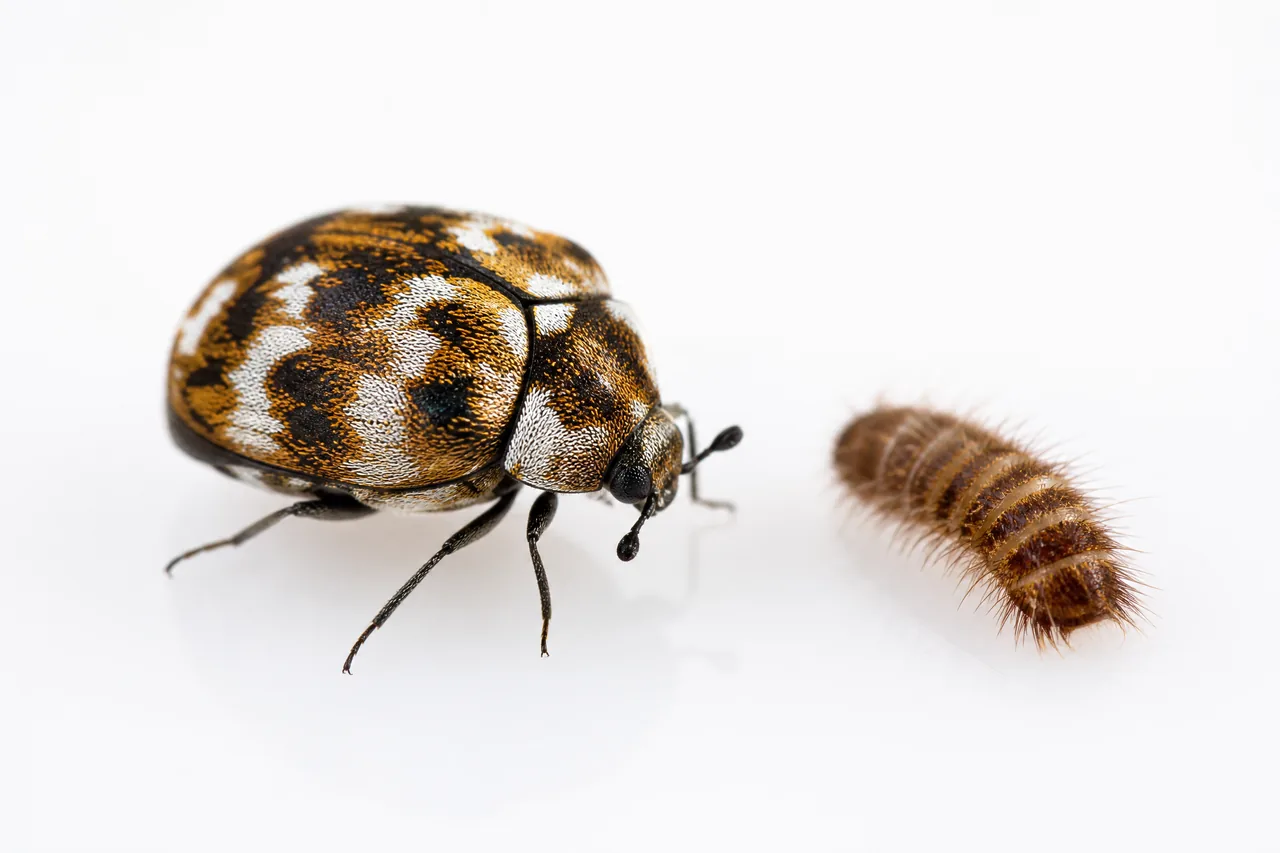
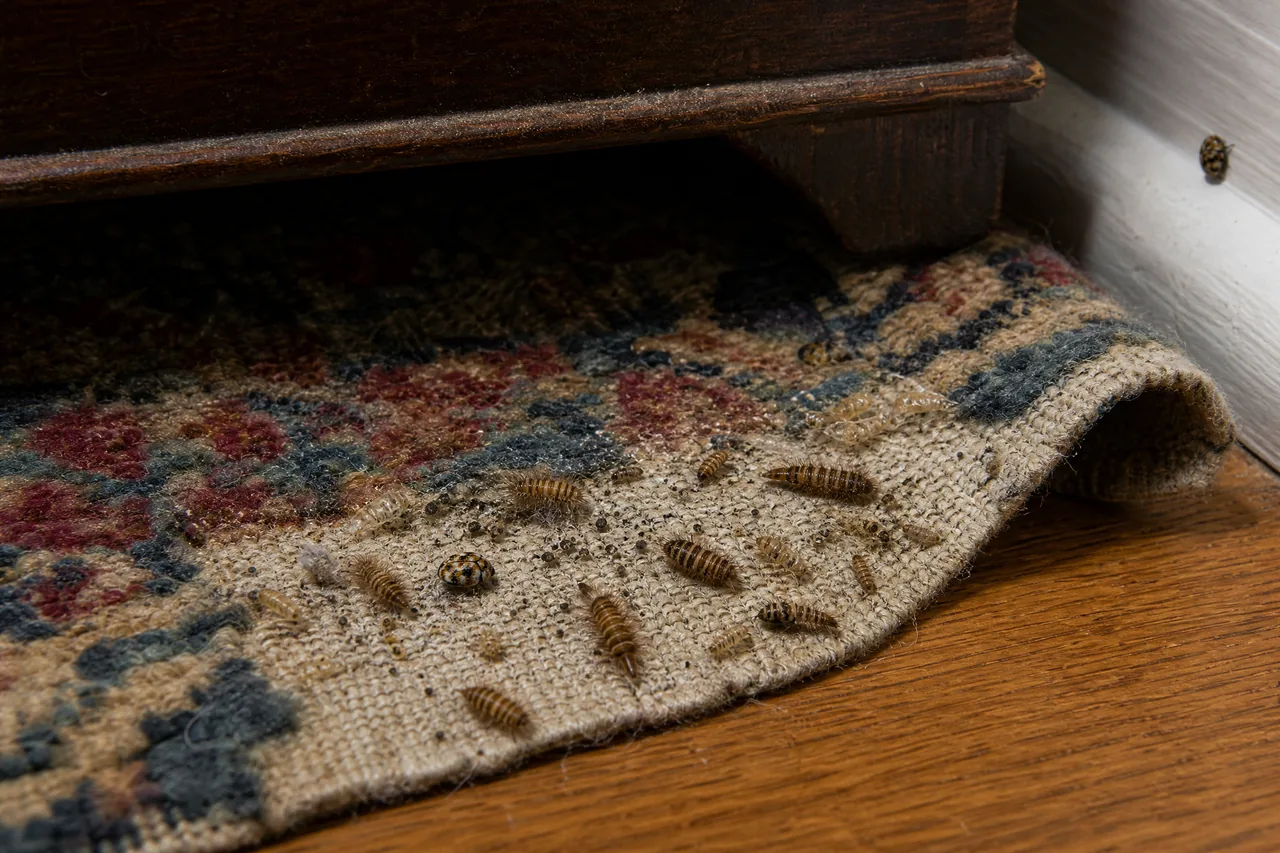
Adults are 2 to 4mm long. Varied and furniture carpet beetles are round, with a mottled pattern of white, brown, and yellow scales. Black carpet beetles are slightly larger, oval, and shiny black. Larvae are brown, fuzzy, and about 4 to 6mm long, often called "woolly bears."
Larvae: wool, silk, fur, feathers, leather, pet hair, lint, and dead insects. Adults: flower pollen and nectar.
Slow. Usually one generation a year; the full life cycle takes 3 months to 2 years depending on species and warmth. Adults live a few weeks.
Summer
Spring
Fall
Winter
Carpet beetle problems often don’t start in the carpet. We regularly trace them back to old bird, wasp, or rodent nests in the attic, under the eaves, or inside wall voids. Larvae feed on the nest material and dead insects, then wander into the home. If you keep finding beetles after a thorough clean, the source is usually somewhere you haven’t looked yet.
Vacuum regularly along baseboards, under furniture, and in closets to remove the lint, pet hair, and dead insects larvae feed on. Clean wool and natural-fibre clothing before storing it, and keep it in sealed bags or containers.
Targeted Residual Treatment, Source Removal & Item Freezing or Heat Treatment (Safe for home use)
Vacuuming and laundering help, but most store-bought sprays don't reach larvae hiding in carpet edges, wall voids, or ducts. Treating what you can see without finding the source usually means the beetles come back. Cedar only repels and won't kill an existing infestation.
RainCity inspects the whole home, including attics, eaves, and wall voids, to find where the beetles are breeding. We remove the source, apply targeted treatment to affected areas, and walk you through how to sort, clean, or freeze infested items.
Full inspection to locate the breeding source, removal of old nests and infested materials, targeted residual treatment of harbourage areas such as carpet edges, baseboards, and closets, plus client-guided cleaning and freezing of affected items.
Activity is usually brought under control within 4 to 8 weeks once the source is found and removed, with follow-up cleaning and storage changes to stop it coming back.
Signs of Activity
Early detection prevents small issues from becoming full infestations. Watch for signs in hidden or undisturbed areas.
Beetles on Windowsills
Small, round, speckled beetles gathering on windowsills or crawling up walls, especially in spring. Adults are drawn to light as they try to get outside.
Fuzzy Brown Larvae
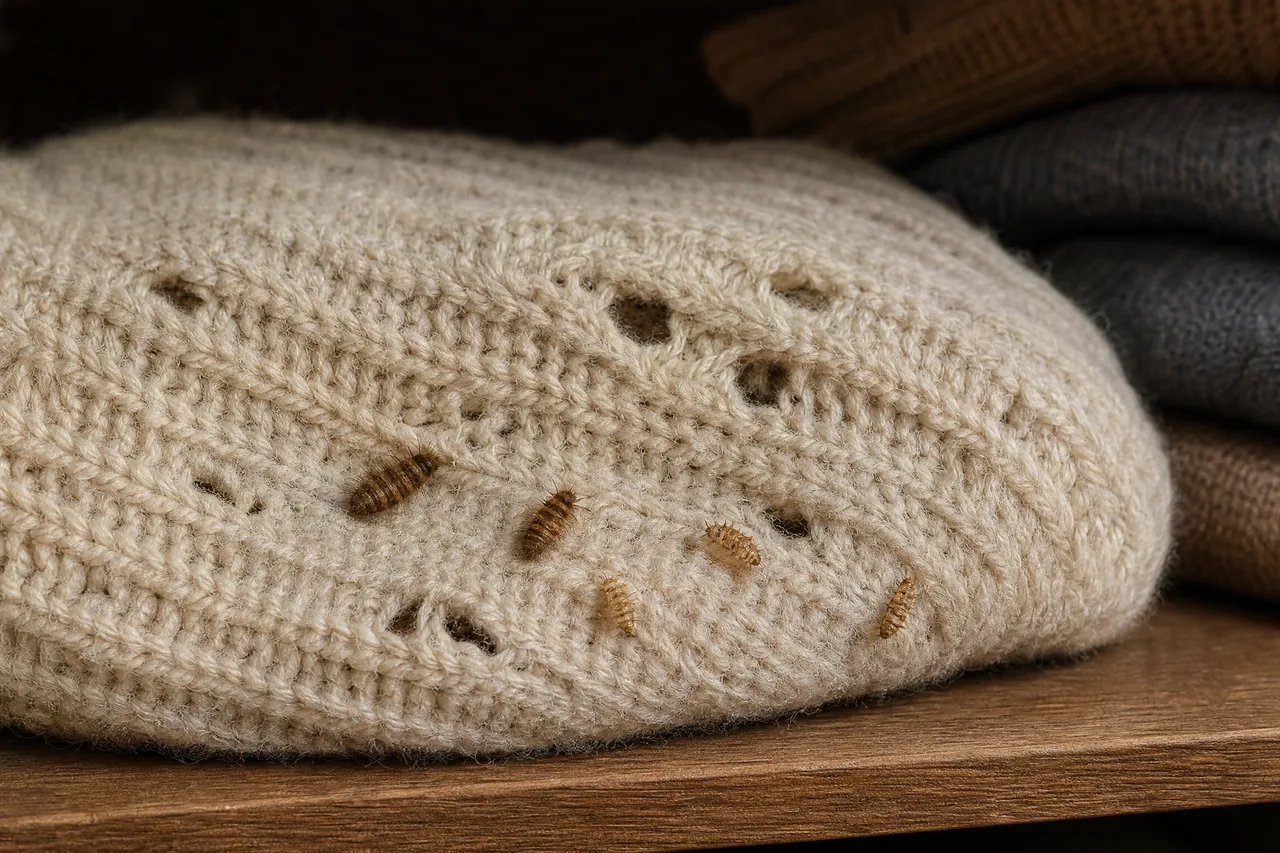
Small, hairy, brown larvae along carpet edges, under furniture, in closets, or near heating vents. They move slowly and avoid light.
Shed Larval Skins
Empty, hairy brown skins left behind as larvae grow. These are often easier to find than the larvae themselves and are a sure sign of an active problem.
Holes and Bare Patches
Irregular holes in wool or silk clothing, or thinning, bare patches in rugs, often under furniture or in corners that don’t get much foot traffic.
Unexplained Itchy Rash
Small, itchy red bumps, often under clothing or after sleeping, with no sign of bed bugs or fleas. Larvae hairs on bedding or clothing can cause this reaction.
Frequently Asked Questions
Find expert answers to our most common questions and discover how we keep your home or business pest-free.
No. Carpet beetles can’t bite. The rash some people get comes from an allergic reaction to the tiny hairs on the larvae, which can stick in the skin. If you have a rash you can’t explain, it’s worth checking with your doctor as well.
Adults fly in through open windows and doors in spring and early summer. They also come in on cut flowers, second-hand furniture, and rugs, or move indoors from old bird and wasp nests in the attic or under the eaves.
Bed bug bites tend to show up on exposed skin, often in lines or small clusters. Carpet beetle rash is more scattered and often appears under clothing. Finding fuzzy larvae or shed skins, rather than blood spots on sheets, points to carpet beetles.
Wash items in hot water or have them dry-cleaned. Anything that can’t be washed can be sealed in a bag and placed in a freezer at -18°C for at least 72 hours. Heavily damaged items are best sealed and thrown away.
They cause similar damage to natural fibres, and the two are often confused. Carpet beetles also eat a wider range of materials, including feathers, leather, and dead insects, and are more likely to be breeding somewhere outside the closet.
Vacuuming is one of the best things you can do, because it removes larvae, eggs, and the lint and hair they feed on. On its own, though, it rarely solves the problem if the source is in a wall void, duct, or attic nest.
Ready to Get Rid of Carpet Beetles?
Let our professional team protect your home or business with proven solutions that work.
Schedule an inspection
- Local, licensed & Insured
- Fast Response & Reliable Service
- Satisfaction Guaranteed