
Bird Control & Removal in Vancouver & Surrey
Columba livia / Corvus brachyrhynchos / Larus spp. / Passer domesticus
Urban roosting and nesting birds that damage property, create health hazards, and become territorial problems across BC's Lower Mainland.
"Your pest problem
is our business"
is our business"
- RainCity Pest Control -
Pest Problem with Birds?
Raincity can help!
Proudly Canadian
Pet Friendly

Birds
Overview
More Species, More Problems Than Most Property Owners Expect
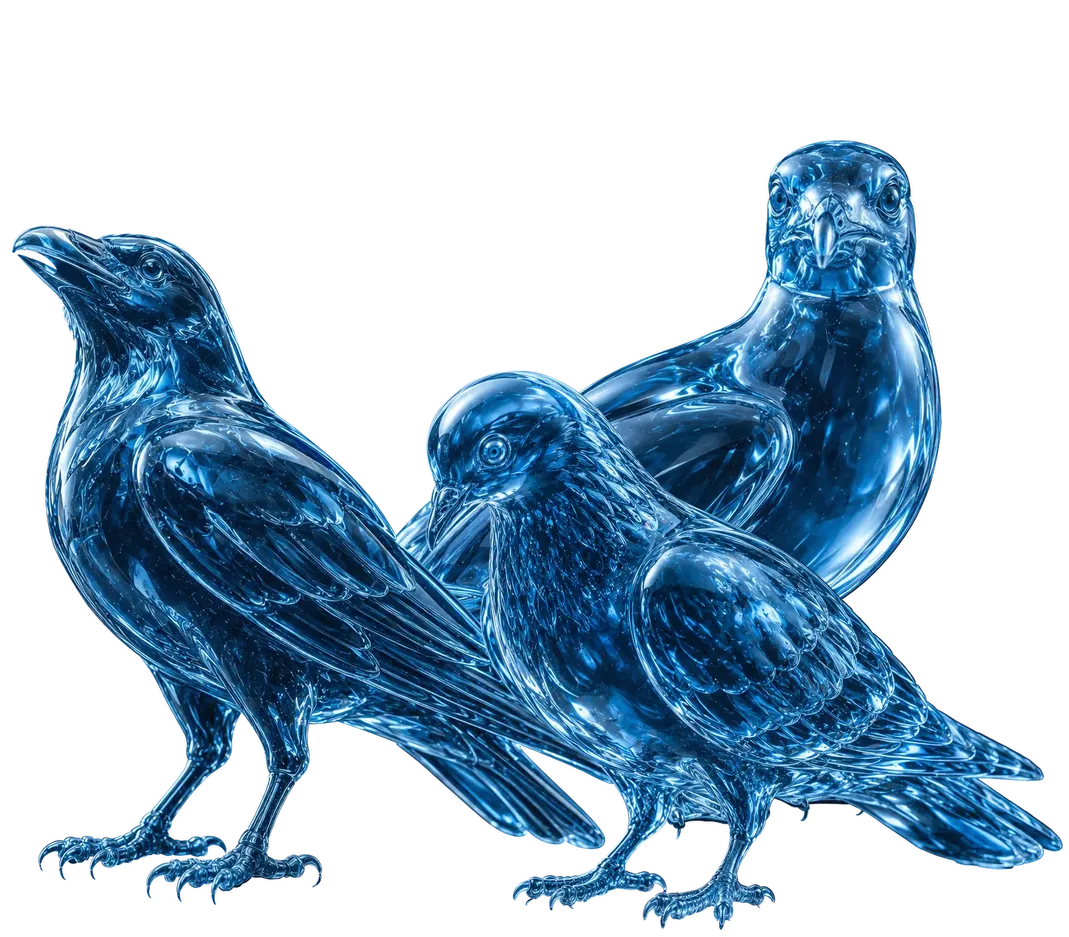
Bird control in Vancouver and Surrey involves pigeons, crows, seagulls, and sparrows. Each causes its own problems and needs a different approach. Once birds settle on a property, droppings, nesting material, and damage from roosting can build up quickly. The longer they stay, the harder it becomes to deter them. Vancouver’s mild climate and plentiful food sources keep birds active year round. From our Vancouver and Surrey locations, RainCity handles all four species on residential, strata, commercial, and industrial properties.
Clean-up is part of most bird jobs. Droppings left in place draw birds back, and the surface has to be clean before spikes or electric track will hold.
Birds We Handle
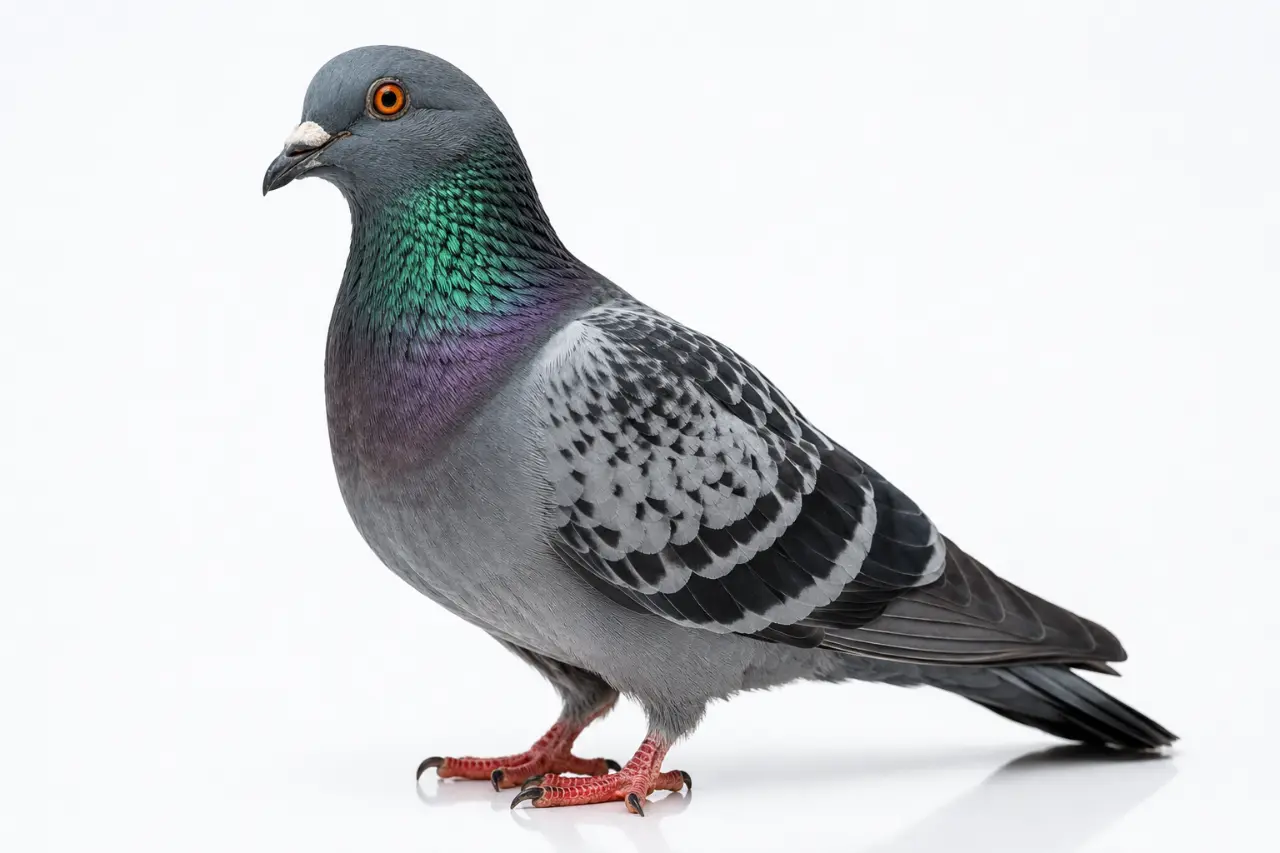
Pigeons. Rock pigeons are non native and not protected under Canadian federal law or BC’s Wildlife Act. They roost on balconies, ledges, rooftops, and solar panels all year. They are the most common bird control call across Metro Vancouver. Droppings accumulate rapidly and their nesting is persistent once a site is established.
Crows. American Crows are not covered by the federal Migratory Birds Convention Act and are exempt under BC’s Wildlife Act (B.C. Reg. 168/90, Schedule B). Greater Vancouver is home to one of North America’s largest crow roosts. They are highly intelligent, learn to ignore static deterrents quickly, and become aggressively territorial during nesting season from April through July. Ravens are a different species and remain protected.
Seagulls (Gulls). Gulls are protected under the federal Migratory Birds Convention Act. An empty gull nest can be removed, but a nest containing eggs or chicks requires a federal permit before it can be disturbed. For most residential and commercial properties, the practical approach is to install deterrents before nesting season begins.
Sparrows. House sparrows are non native and not protected federally or under BC’s Wildlife Act (Schedule C). They nest in dryer vents, range hood exhaust vents, and HVAC openings, where nesting material can block airflow and create a fire risk. Removing the nest and fitting the vent opening with a bird proof cover is the only way to keep them from nesting there again.
Bird Control for Residential, Commercial and Industrial Properties
Bird problems vary by property type. Keeping pigeons off a condo balcony requires a different approach from managing a seagull roost on a commercial flat roof.
Residential bird control includes installing balcony netting to keep pigeons out, removing sparrow nests and blocking their access to home vents, and managing crows roosting near homes.
Commercial bird control addresses pigeon and seagull pressure on flat rooftops, ledges, signage, loading docks, and customer facing entrances where droppings create both a health hazard and a reputational issue.
Industrial bird control handles large scale roosting and nesting problems on warehouses, processing facilities, and industrial rooftops where bird pressure is continuous and damage accumulates at scale. Large area netting and wire systems are the standard approach at this scale.
Strata bird control includes common area inspections and balcony netting across multiple units.
Bird Control Across Vancouver and Surrey
RainCity provides bird control services across Metro Vancouver and the Lower Mainland from two locations. Our Vancouver office on West Broadway serves Vancouver, Burnaby, North Vancouver, West Vancouver, Richmond, and New Westminster. Our Surrey office on King George Blvd covers Surrey, White Rock, Delta, Coquitlam, Maple Ridge, Langley, Pitt Meadows, and the Fraser Valley.
Call 236.521.8668 for Vancouver and the North Shore, or 778.994.7246 for Surrey and the Lower Mainland.

Raincity
Risk Index
Our Risk Index breaks down each pest's threat level so you know exactly what you're dealing with and how urgently to act.
Risks: Birds
Property
Damage
7 / 10
Nuisance
Level
8 / 10
Health
Threat
6 / 10Structural & Material
Noise & Disruption
Bite & Disease Exposure
What This Means For You
Bird droppings are acidic and can corrode roofing membranes, painted surfaces, metal railings, stonework, and vehicle finishes. Nesting material can clog gutters and drains, while birds roosting on solar panels can reduce their efficiency.
Noise from roosting flocks at dawn and dusk, droppings on entrances and vehicles requiring constant cleaning, and territorial aggression from nesting birds all affect daily life. During nesting season, crows and seagulls may dive bomb people and pets that get too close to their nests.
Bird droppings and feathers carry Histoplasma, Salmonella, Cryptococcus, and West Nile virus. Dried droppings become airborne when disturbed and pose a respiratory risk. Large accumulations near HVAC intakes can introduce pathogens into ventilated spaces.
Know Your Pest
Birds Knowledge, Prevention Tips & Home Protection Advice.
Facts: Birds
Summer
Spring
Fall
Winter


Remove food attractants from the property. Crows and seagulls are drawn to accessible garbage, compost bins, and outdoor food waste. Pigeons follow grain and seed spillage. Eliminating food sources reduces pressure significantly and makes deterrent systems more effective. Install deterrents on preferred roosting surfaces before nesting season begins in spring.
Physical Exclusion, Habitat Modification, and Acoustic Deterrents
Static deterrents such as plastic owls, reflective tape, and spinner devices provide temporary relief at best. Crows and seagulls are intelligent enough to assess and ignore them within days. Pigeons and sparrows are persistent enough that without physical exclusion of the roosting or nesting surface, they return as soon as any deterrent is removed.
RainCity inspects the property to identify the species, where birds are roosting or nesting, and what is attracting them before recommending treatment. The approach depends on the species and the surface. This can include spikes, netting, wire systems, acoustic deterrents, and nest removal.
Blocking access to known roosting and nesting surfaces, removing what attracts birds to the property, and using sound deterrents where physical barriers are not practical. The methods used depend on the species and property type.
Physical exclusion of specific surfaces is immediate. Acoustic deterrent programmes that relocate roosting patterns typically show results over two to four weeks.
Signs of Activity
Early detection prevents small issues from becoming full infestations. Watch for signs in hidden or undisturbed areas.
Droppings Accumulating on Surfaces
Consistent droppings on the same ledge, vehicle, walkway, or rooftop area below a perching point. Fresh droppings are white and wet; older accumulations become hard and discoloured.
Nesting Material in Gutters or Vents
Sticks, feathers, dry grass, and debris accumulating in gutters, on flat roof areas, or blocking vent openings. Sparrow nests inside vents are often only identified when airflow is reduced.
Aggressive Behaviour Near Trees or Rooftops
If crows or seagulls repeatedly dive bomb people or pets in the same area, they are almost always protecting an active nest nearby. The nest is usually within 30 to 50 metres of where this happens.
Feathers and Droppings Around HVAC Units
Feathers caught in outdoor HVAC intakes or droppings accumulating on rooftop mechanical equipment indicate birds roosting on or near the units.
Frequently Asked Questions
Find expert answers to our most common questions and discover how we keep your home or business pest-free.
No. Rock pigeons and house sparrows are non native species and are not protected under the federal Migratory Birds Convention Act or BC’s Wildlife Act. American Crows are also exempt under BC regulations (B.C. Reg. 168/90, Schedule B). Seagulls are federally protected, which means deterrence is the management approach for them rather than removal.
It depends on the species. Crow, pigeon, and sparrow nests can be removed without a federal permit since these species are not protected under the Migratory Birds Convention Act. Gull nests containing eggs or chicks cannot be legally removed without a federal permit. An empty gull nest can be removed. RainCity can advise on what applies to your specific situation.
Once pigeons establish a roosting or nesting site, they return reliably because they have identified it as safe and accessible. Visual deterrents and reflective devices rarely hold them off for more than a few days.
Briefly, for some species. Crows and seagulls are intelligent enough to assess a static deterrent and ignore it within days. Pigeons and sparrows are persistent enough to work around most static devices. Professional deterrent systems that combine physical exclusion with habitat modification produce lasting results where static devices do not.
Seagulls are protected under the federal Migratory Birds Convention Act. An empty gull nest can be removed from your property without a permit. A nest with eggs or chicks in it cannot legally be removed without a federal permit. The practical approach for most properties is to install deterrents before nesting season begins so that gulls do not establish a nest in the first place.
Ready to Get Rid of Birds?
Let our professional team protect your home or business with proven solutions that work.
Schedule an inspection
- Local, licensed & Insured
- Fast Response & Reliable Service
- Satisfaction Guaranteed