

Tick Control & Removal in Vancouver & Surrey
Ixodes pacificus (Western Blacklegged Tick)
Expanding blood-feeding arachnids whose bites can transmit Lyme disease and other serious illnesses to humans and pets.
"Your pest problem
is our business"
is our business"
- RainCity Pest Control -

Pest Problem with Ticks?
Raincity can help!
Proudly Canadian
Pet Friendly
Ticks
Overview
Blood-feeding arachnids that transmit Lyme disease and other pathogens. Tick populations are expanding across British Columbia — professional yard treatment significantly reduces exposure risk.
A Growing Health Risk Across British Columbia
Tick populations in BC are expanding northward and into previously unaffected urban and suburban areas due to changing climate conditions. The Western Blacklegged Tick — the primary vector of Lyme disease in British Columbia — is now established across the Lower Mainland, Vancouver Island, and the Fraser Valley. Prompt removal and professional yard treatment are essential to protecting families and pets from tick-borne illness.


Raincity
Risk Index
Our Risk Index breaks down each pest's threat level so you know exactly what you're dealing with and how urgently to act.
Risks: Ticks
Property
Damage
1 / 10
Nuisance
Level
7 / 10
Health
Threat
9 / 10Structural & Material
Noise & Disruption
Bite & Disease Exposure
What This Means For You
Ticks cause no structural property damage. The risk is entirely to human and animal health.
The fear of tick bites significantly restricts outdoor activity in affected yards and natural areas. Regular tick checks after outdoor time add significant burden for families with pets and children.
Western Blacklegged Ticks are the primary vector of Lyme disease in BC, along with anaplasmosis and other tick-borne pathogens. Lyme disease can cause severe long-term neurological and joint complications if not treated early.
Know Your Pest
Ticks Knowledge, Prevention Tips & Home Protection Advice.
Facts: Ticks
Eight legs (arachnid, not insect); oval, flat body 1–3mm unfed, swells to 10mm+ when engorged; reddish-brown to black; no wings or antennae; moves slowly.
Blood exclusively — feeds on small mammals, birds, deer, pets, and humans at different life stages
Slow — 2–3 year lifecycle; females lay thousands of eggs once but only after a blood meal
Summer
Spring
Fall
Winter


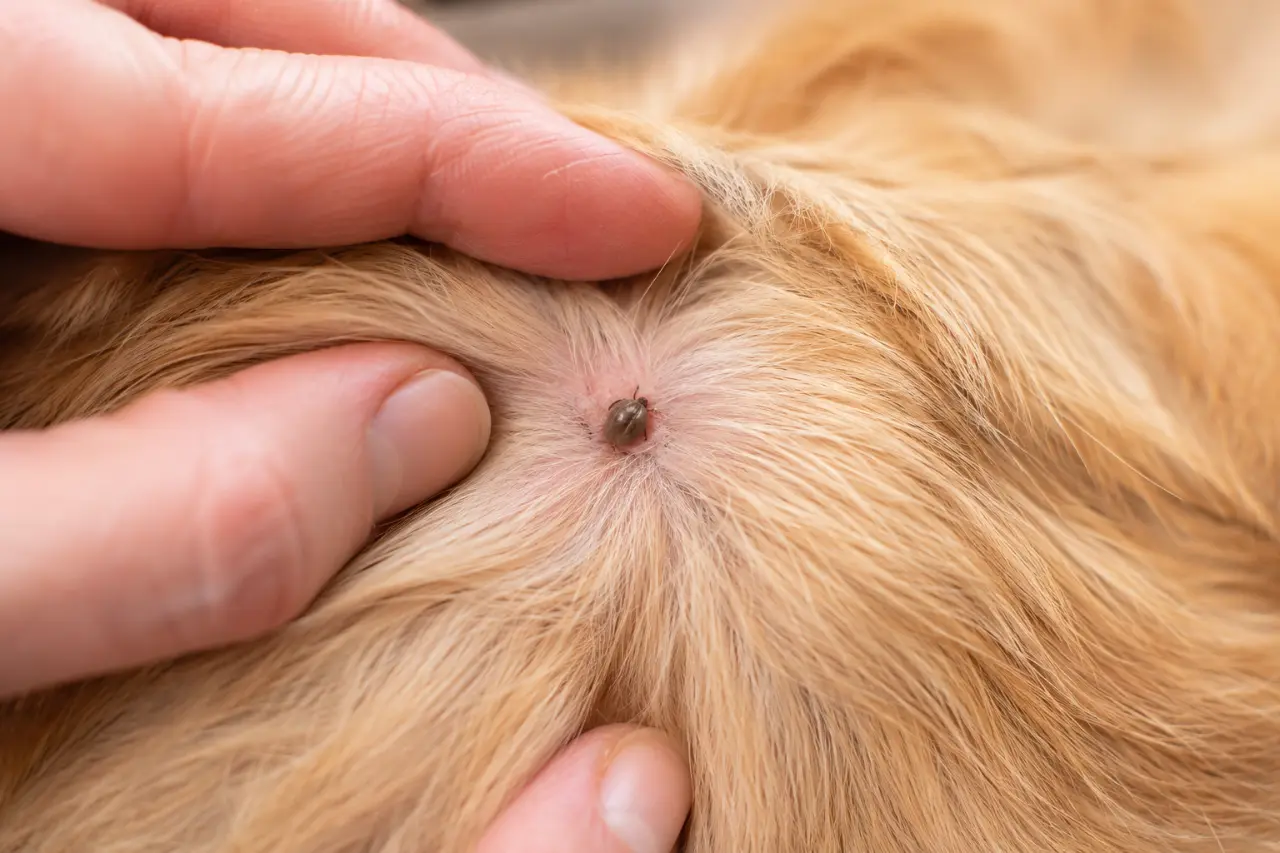


Ticks do not jump or fly — they “quest” by climbing vegetation and waiting with outstretched legs for a passing host. The highest-risk zones in your yard are the interface between lawn and wooded/shrubby areas, leaf litter, and long grass along fence lines and garden edges.
Keep grass cut short, remove leaf litter, and create a dry wood chip or gravel barrier between lawn and wooded areas. Always perform a full-body tick check on people and pets after time outdoors — pay special attention to hair, behind ears, underarms, and behind knees.
Perimeter Residual Treatment & Habitat Modification (Pet/Kid Safe when dry)
Consumer tick sprays are often misapplied and fail to reach the specific microhabitats where ticks harbour. Without habitat modification, treated areas are rapidly re-colonised by ticks migrating from untreated border zones.
RainCity applies targeted residual perimeter treatment to key tick habitats — particularly transition zones between lawn and woodland — combined with habitat modification recommendations that produce lasting reduction in tick activity.
Targeted residual perimeter spray applied to transition zones, leaf litter accumulations, and vegetation edges, combined with habitat modification guidance.
Significant reduction in tick activity within 24–48 hours of treatment; seasonal re-treatment recommended in spring and early fall.
Signs of Activity
Early detection prevents small issues from becoming full infestations. Watch for signs in hidden or undisturbed areas.
Tick Found on Body or Pet
Discovering an attached or crawling tick on yourself, a family member, or a pet after outdoor activity is the most direct indicator of tick presence in your environment.
Bullseye Rash
A characteristic expanding circular rash with a clear centre (erythema migrans) appearing at a bite site within 3–30 days is a clinical indicator of Lyme disease and requires immediate medical attention.
Pets Scratching at Ears or Head
Ticks frequently attach around the head, ears, and neck of dogs and cats. Unusual scratching or head shaking in pets after outdoor activity warrants a thorough tick check.
Ticks on Vegetation
Running a white cloth or piece of flannel along vegetation at the lawn’s edge (“flagging”) will cause ticks to attach to the fabric, making them visible and confirming their presence in your yard.
Wildlife Activity Near Yard
Deer, raccoons, and rodents are primary tick hosts. Regular wildlife visits to your property significantly increase the risk of tick introduction into your yard and garden.
Frequently Asked Questions
Find expert answers to our most common questions and discover how we keep your home or business pest-free.
Remove the tick promptly using fine-tipped tweezers, grasping as close to the skin as possible and pulling straight upward with steady pressure. Do not twist, crush, or apply heat. Clean the bite site with rubbing alcohol. Save the tick in a sealed bag for identification and monitor for symptoms.
The Lyme disease bacterium is generally transmitted after 24–36 hours of attachment, which is why prompt daily tick checks are so important. However, other pathogens can be transmitted more quickly.
Western Blacklegged Ticks in BC remain active at temperatures above 4°C, including on warm winter days. They are most active in spring and fall, but year-round vigilance is recommended in higher-risk areas.
Indoor-only cats have very low risk, but any pet with outdoor access is at risk. Dogs are particularly susceptible given their outdoor activity levels and should be on year-round tick prevention recommended by your veterinarian.
Keep grass short, remove leaf litter and brush piles, install a gravel or wood chip barrier between lawn and wooded areas, discourage wildlife with secure fencing, and have your property treated professionally each spring.
Lyme disease cases in BC have been increasing as tick populations expand. The BC CDC confirms that Western Blacklegged Ticks capable of carrying Lyme disease are now established across much of the Lower Mainland, Vancouver Island, and Gulf Islands.
Ready to Get Rid of Ticks?
Let our professional team protect your home or business with proven solutions that work.
Schedule an inspection
- Local, licensed & Insured
- Fast Response & Reliable Service
- Satisfaction Guaranteed